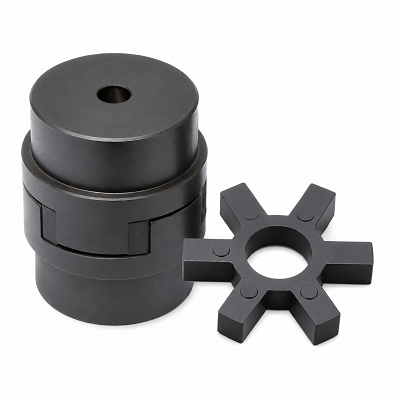
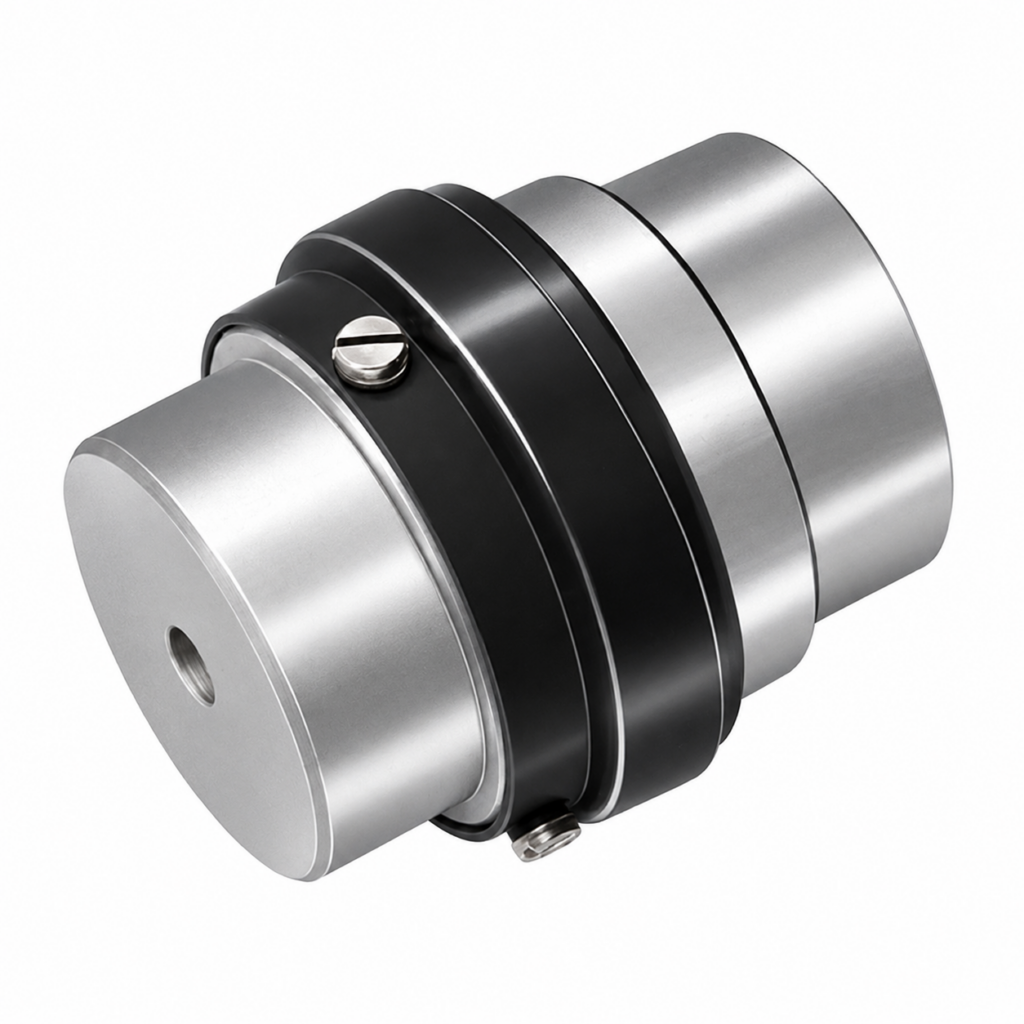
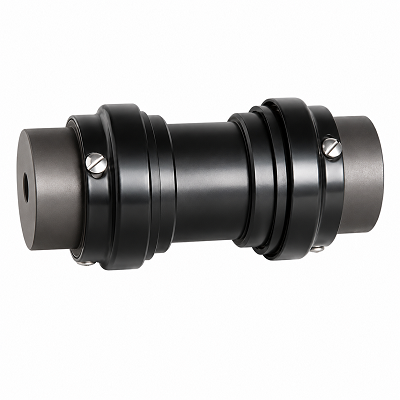
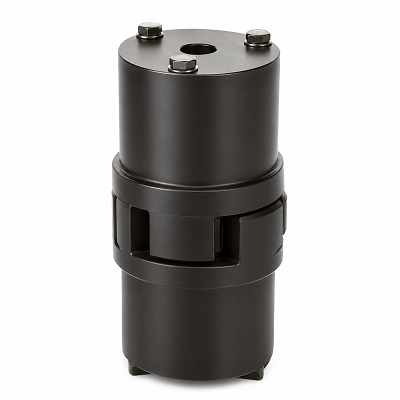
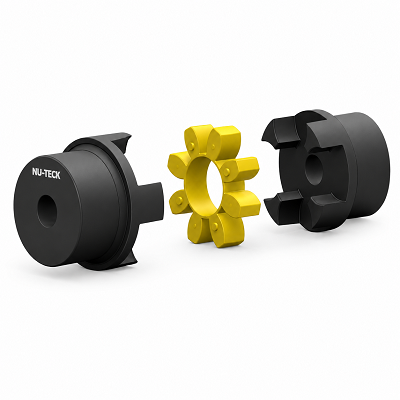
A jaw flexible coupling is a mechanical power transmission device used to connect two rotating shafts (such as a motor and a pump). Jaw couplings are generally used to connect continuous-duty electric motors with driven machinery, pumps, and gearboxes. They typically accommodate angular shaft misalignment and parallel misalignment.
All elastomeric couplings are classified according to how their elastomeric elements transmit torque between driving and driven hubs — the elements is either in compression or shear.
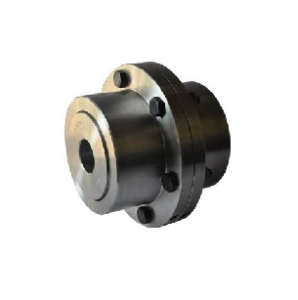
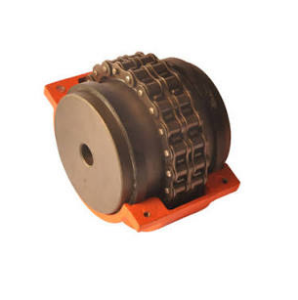
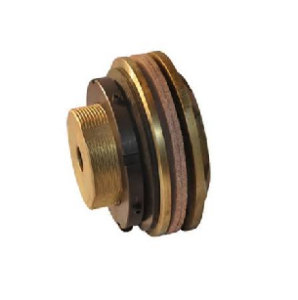
Types of Coupling
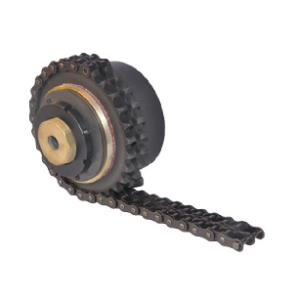
K Type CouplingIndustrial Shaft Coupling Max. Bore : 95 mm Max Torque : 1919 Nm
Consider connecting a standard electric motor to a water pump. Both the motor shaft and pump shaft have an outside diameter of 1.125 inches.
Step 1: Clean and Prep Shafts Use emery paper and a cleaning solvent to wipe away any rust or burrs on the shaft ends and keyways. Slide the coupling hubs onto the shafts. Ensure the keys fit snugly into the keyways without any side-to-side play. [1]
Step 2: Mount the Hubs Slide the first hub so it sits flush with the end of the shaft. Tighten its set screws to the manufacturer’s recommended torque using a calibrated torque wrench. Slide the second hub onto the driven shaft but only lightly tighten its set screws to allow for minor adjustments.
Step 3: Insert the Spider Wrap or insert the elastomeric spider around the hub jaws so it meshes perfectly into the spaces.
Step 4: Check the Gap Dimension Push the motor and pump equipment together until the hub faces lightly press against the spider nubs. Measure the exact distance between the hub faces (the ‘G’ gap dimension) and compare it against the manufacturer’s specification (usually a gap of about 0.06 inches or ~ 1.5 mm depending on the coupling size).
Step 5: Finalize & Test Once perfectly aligned, tighten the clamp screws or set screws on the second hub to the proper torque. Double-check all fastenings, install the OSHA-compliant coupling guard over the assembly, and test-run the motor.
Request a quote
Aman Dhakad
Hello! 👋
Welcome to Element Engineers & Consultants.